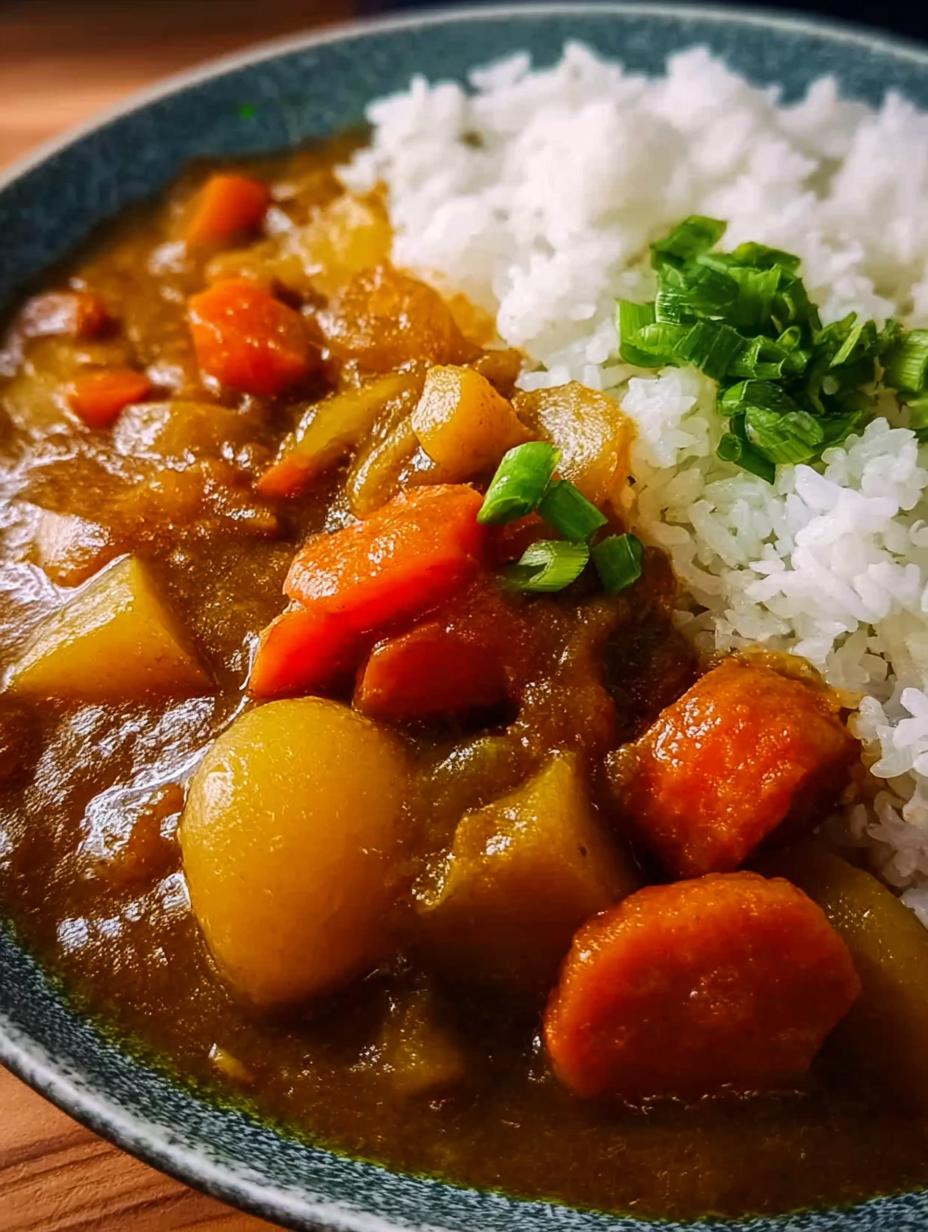
Japanese curry rice has a special place in my heart, reminding me of cozy evenings and the comforting aroma that filled my childhood home. It’s a dish that feels like a warm hug in a bowl, with its rich, savory sauce blanketing tender vegetables and fluffy rice. I remember my mom making it on rainy days, the kitchen filling with the sweet and spicy scent of simmering curry. It’s so simple yet incredibly satisfying, proving that some of the best meals are the easiest to make. This recipe captures that authentic flavor perfectly. Let’s get cooking!
Why You’ll Love This Japanese Curry Rice
This recipe is a weeknight winner for so many reasons:
- Incredibly Comforting: It’s the ultimate cozy meal, perfect for any day of the week.
- Quick and Easy Prep: Most of the work is done by simmering, making it a hands-off dish.
- Customizable: Easily adapt it to your liking with different meats or veggies.
- Meal Prep Friendly: This dish tastes even better the next day, just like homemade caramel apple cheesecake bars!
- Budget-Friendly: Uses common pantry staples and affordable ingredients.
- Crowd-Pleaser: Its mild, savory-sweet flavor is loved by both kids and adults.
- Versatile Serving: Delicious on its own or paired with a simple salad.
- Authentic Flavor: Captures the true taste of Japanese comfort food, no complex steps required.
Ingredients for Japanese Curry Rice
Gathering these simple ingredients is the first step to creating this comforting dish. You’ll find that many of them are pantry staples, making this recipe incredibly accessible, much like preparing easy caramel apple cheesecake bars.
- 1 large onion, thinly sliced – caramelizing this brings out a natural sweetness
- 2 medium carrots, peeled and chopped into chunks – for a touch of earthy sweetness and texture
- 2 medium potatoes, peeled and cut into bite-sized pieces – these absorb the delicious sauce perfectly
- 1 tbsp vegetable oil or butter – to sauté the aromatics and develop flavor
- 500g (1 lb) boneless chicken thighs or beef (optional), cut into cubes – for a hearty, protein-rich meal
- 3 cups water or chicken broth – broth adds extra depth of flavor
- 100g Japanese curry roux (usually ½ a box of store-bought curry blocks) – the key to that signature thick, savory sauce; look for mild or medium heat
- 1 tsp grated ginger (optional) – adds a warm, zesty kick
- 1 tsp minced garlic (optional) – for that classic aromatic base
- 1 tbsp soy sauce (for added umami) – enhances the savory notes
- 1 tsp honey or grated apple (for a hint of sweetness) – balances the spices beautifully
- Cooked Japanese short-grain rice, for serving – essential for soaking up all that amazing curry sauce
How to Make Japanese Curry Rice
Making this comforting Japanese curry rice is surprisingly straightforward. You’ll be amazed at how quickly you can whip up this flavorful meal, perfect even for a busy weeknight, just like whipping up some quick no-bake caramel apple cheesecake bars.
- Step 1: Preheat your oven to 350°F (175°C). While the oven heats, prepare your vegetables and meat.
- Step 2: Heat the vegetable oil or butter in a large pot or Dutch oven over medium heat. Add the sliced onions and cook, stirring occasionally, until they soften and turn a beautiful golden brown, about 8-10 minutes. This caramelization is key to the curry’s depth of flavor.
- Step 3: If you’re using meat, add the cubed chicken or beef to the pot. Sear it on all sides until nicely browned. If using optional garlic and ginger, add them now and cook for another minute until fragrant.
- Step 4: Toss in the chopped carrots and potatoes. Stir everything together for a couple of minutes, allowing the vegetables to get slightly coated in the onion mixture.
- Step 5: Pour in the 3 cups of water or chicken broth. Bring the mixture to a boil, then immediately reduce the heat to low, cover the pot, and let it simmer gently.
- Step 6: Once the vegetables are almost tender (about 10-15 minutes), break the Japanese curry roux blocks into smaller pieces and add them to the pot. Stir continuously until the roux is completely dissolved and the sauce begins to thicken. The aroma will start to fill your kitchen!
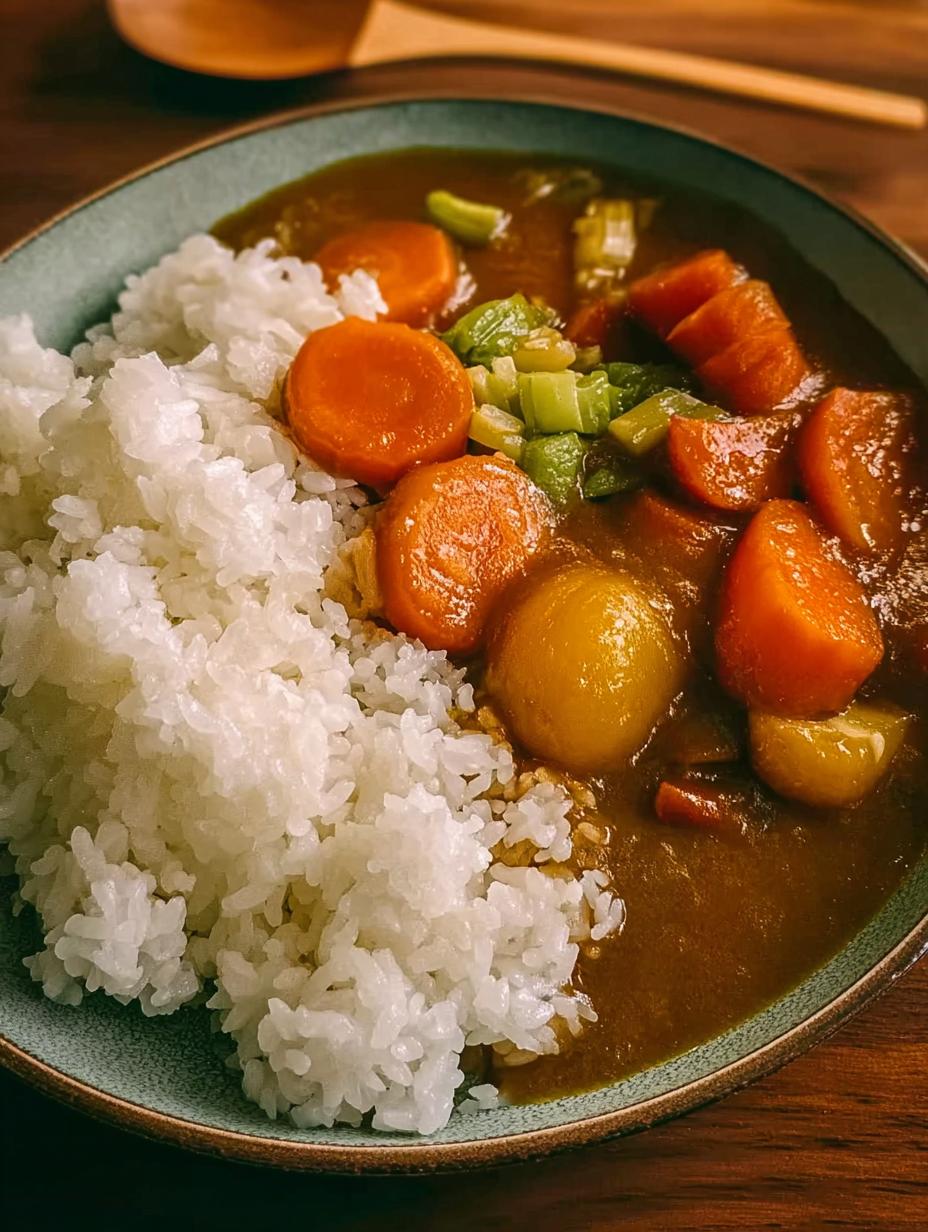
- Step 7: Continue to simmer for another 10-15 minutes, uncovered, stirring occasionally, until the vegetables are fork-tender and the sauce has reached your desired thick, luscious consistency.
- Step 8: Stir in the soy sauce and honey or grated apple. Taste and adjust seasonings if needed. This step adds a final layer of complexity, much like adding a salted caramel drizzle to your apple caramel cheesecake bar creation.
- Step 9: Serve the piping hot Japanese curry generously ladled over freshly cooked Japanese short-grain rice. Enjoy this incredibly satisfying and delicious meal!
Pro Tips for the Best Japanese Curry Rice
Elevating this classic dish is all about a few simple tricks. These tips will help you achieve that perfect, comforting bowl every time, making your homemade curry rice rival even the most delicious apple caramel cheesecake bar.
- Caramelize the Onions: Don’t rush this step! Deeply caramelized onions are the foundation of a rich, savory, and slightly sweet Japanese curry.
- Use Broth for Depth: Swapping water for chicken or vegetable broth adds an extra layer of umami that truly elevates the flavor.
- Adjust Roux to Taste: Start with the recommended amount of curry roux, but don’t be afraid to add a little more if you prefer a thicker sauce or more intense flavor.
- Let it Rest: Like many stews, Japanese curry rice often tastes even better the next day as the flavors meld and deepen.
What’s the secret to perfect Japanese Curry Rice?
The real secret lies in properly caramelizing the onions until they are a deep golden brown. This process unlocks their natural sweetness and creates a rich base for the savory curry sauce that is truly unmatched. For more information on the science of caramelization, you can refer to resources on how to caramelize onions.
Can I make Japanese Curry Rice ahead of time?
Absolutely! This dish is fantastic for meal prep. Make it one day ahead, and the flavors will meld beautifully, making it even more delicious. Store it in an airtight container in the refrigerator.
How do I avoid common mistakes with Japanese Curry Rice?
A common pitfall is not browning the onions enough, which results in a less flavorful curry. Also, be sure to stir frequently once the roux is added to prevent sticking and ensure a smooth sauce.
Best Ways to Serve Japanese Curry Rice
Serving your delicious Japanese curry rice is almost as enjoyable as making it! The classic way is, of course, over a bed of fluffy Japanese short-grain rice, but I love exploring other combinations. For a truly authentic experience, serve it piping hot in a shallow bowl, allowing the rich sauce to pool around the rice. It’s a perfect canvas for the savory flavors. You could also pair it with a simple side salad or some crisp pickled ginger to cut through the richness, much like how a tangy caramel apple dessert bar can balance a sweet meal.
Nutrition Facts for Japanese Curry Rice
This dish offers a hearty and satisfying meal. Here’s an approximate breakdown per serving, which is about 1.5 cups of curry and rice:
- Calories: 450 kcal
- Fat: 20g
- Saturated Fat: 8g
- Protein: 25g
- Carbohydrates: 50g
- Fiber: 5g
- Sugar: 10g
- Sodium: 900mg
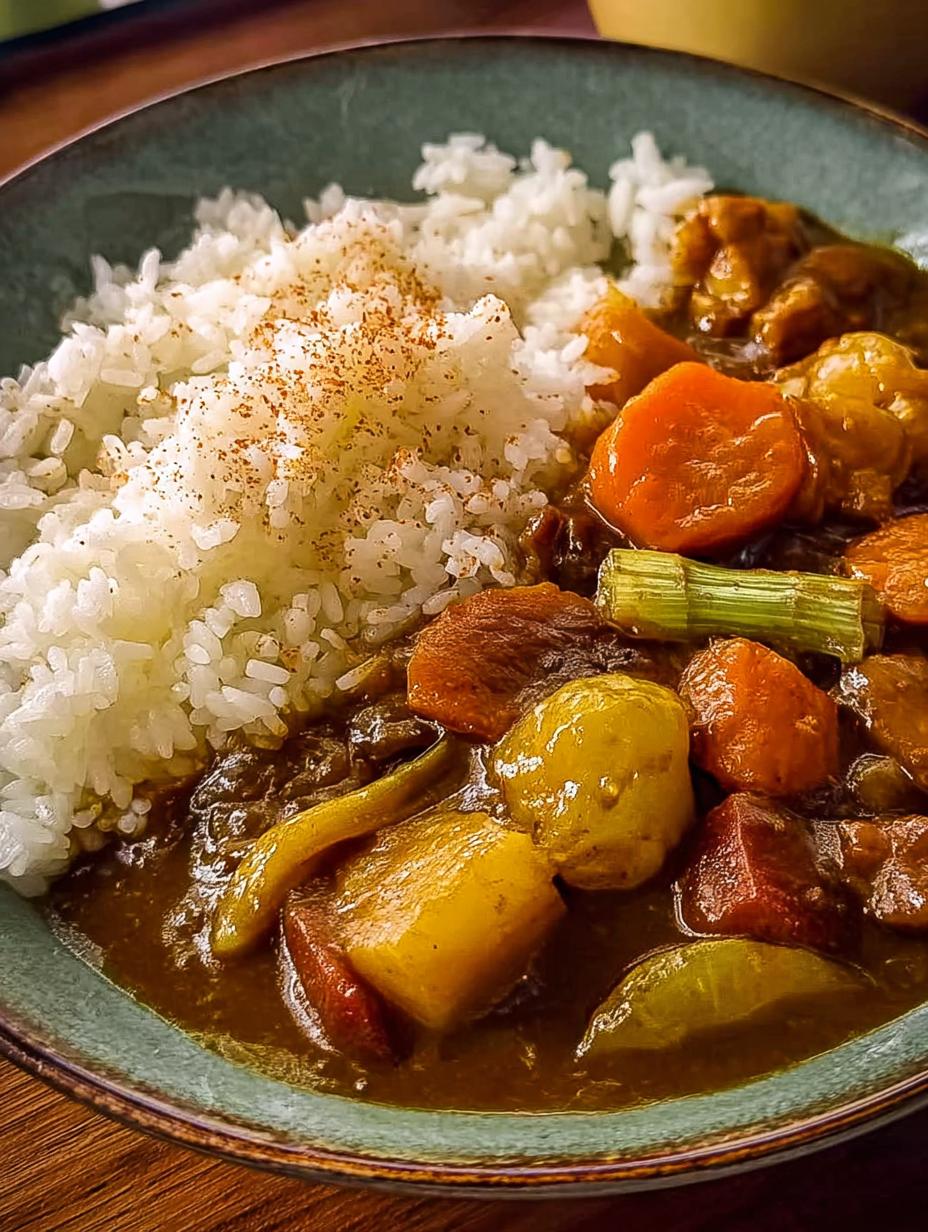
Nutritional values are estimates and may vary based on specific ingredients used, such as the type of meat or broth, and portion sizes.
How to Store and Reheat Japanese Curry Rice
One of the best things about this Japanese curry rice is how well it stores, making it a dream for meal prep. Once cooled, transfer any leftovers into an airtight container. It will keep beautifully in the refrigerator for 3-4 days. The flavors actually deepen over time, which is why it’s often said that this dish is even better the next day, much like how chewy caramel apple cheesecake bars develop their perfect texture after chilling. If you want to store it for longer, it freezes exceptionally well for up to 3 months. Just remember to label your containers!
To reheat, you have a few easy options. You can gently warm it in a saucepan over low heat, stirring occasionally, until heated through. Alternatively, microwave individual portions in a microwave-safe dish for 2-3 minutes, stirring halfway through. If reheating from frozen, thaw it overnight in the refrigerator first, or reheat directly from frozen on low heat, adding a splash of water if needed to loosen the sauce.
Frequently Asked Questions About Japanese Curry Rice
Can I make Japanese Curry Rice with different meats or vegetables?
Absolutely! This recipe is incredibly versatile. I often swap chicken for beef or pork, and it’s just as delicious. For vegetables, feel free to add mushrooms, bell peppers, green beans, or even broccoli. Just add them during the last 10-15 minutes of simmering, depending on how quickly they cook. It’s a fantastic way to use up whatever you have on hand, similar to how you might adapt a recipe for apple caramel cheesecake bar variations.
What kind of rice is best for Japanese Curry Rice?
The classic pairing is short-grain Japanese rice, often called sushi rice. Its slightly sticky texture and subtle sweetness are perfect for soaking up the rich curry sauce. While other rices can work in a pinch, I find that the short-grain variety truly enhances the overall experience, providing that authentic taste that makes this dish so special.
How can I make my Japanese Curry Rice spicier or milder?
Adjusting the spice level is easy! For a spicier curry, you can add a pinch of cayenne pepper, a dash of your favorite hot sauce, or even some finely chopped chili peppers along with the onions. If you prefer it milder, choose a mild Japanese curry roux block. You can also add a touch more honey or grated apple to balance out any heat, much like you’d balance sweetness in sweet caramel apple cheesecake bars.
Is Japanese Curry Rice healthy?
Overall, it’s a hearty and balanced meal, especially when made with lean meats and plenty of vegetables. The rice provides complex carbohydrates for energy, and the curry itself can be packed with vitamins from the vegetables. Opting for chicken breast or a vegetarian version can further enhance its health profile. It’s a comforting meal that nourishes you well.
Variations of Japanese Curry Rice You Can Try
This classic Japanese curry rice is wonderfully adaptable, allowing you to tailor it to your dietary needs or flavor preferences. It’s a dish that truly shines with customization, much like how you can create different versions of apple caramel cheesecake bars, from gooey to spiced.
- Vegetarian/Vegan Delight: Omit the meat and use vegetable broth instead of water. You can add extra hearty vegetables like mushrooms, eggplant, or firm tofu for a satisfying vegetarian or vegan meal.
- Katsu Curry: For a truly decadent treat, serve your Japanese curry sauce over a crispy, breaded pork or chicken cutlet (katsu). The contrast between the crunchy cutlet and the rich curry is divine.
- Spicy Kick: If you love heat, add some chopped chili peppers or a tablespoon of your favorite chili paste (like gochujang or sriracha) along with the onions. This adds a wonderful depth of spice, similar to a spiced caramel apple cheesecake bar.
- Creamy Coconut Curry: For a richer, slightly sweeter twist, replace half of the water or broth with full-fat coconut milk. This creates a luxurious, velvety sauce that’s incredibly comforting.

Amazing Japanese Curry Rice: True Comfort
- Total Time: 60 minutes
- Yield: 4-6 servings 1x
- Diet: Vegetarian
Description
Japanese Curry on Rice is a rich, hearty, and comforting dish featuring tender vegetables and optional meat simmered in a mild, savory, and slightly sweet curry sauce, served over fluffy steamed rice. It’s an approachable and adaptable meal perfect for any occasion.
Ingredients
- 1 large onion, thinly sliced
- 2 medium carrots, peeled and chopped into chunks
- 2 medium potatoes, peeled and cut into bite-sized pieces
- 1 tbsp vegetable oil or butter
- 500g (1 lb) boneless chicken thighs or beef (optional), cut into cubes
- 3 cups water or chicken broth
- 100g Japanese curry roux (usually ½ a box of store-bought curry blocks)
- 1 tsp grated ginger (optional)
- 1 tsp minced garlic (optional)
- 1 tbsp soy sauce (for added umami)
- 1 tsp honey or grated apple (for a hint of sweetness)
- Cooked Japanese short-grain rice, for serving
Instructions
- Prep all your ingredients. Slice the onion, chop the carrots and potatoes into chunky, uniform pieces. If using meat, cut it into bite-sized cubes.
- Heat the vegetable oil or butter in a large pot over medium heat. Add the onions and cook until they turn soft and golden brown. Add garlic and ginger if using, and cook for an additional 1-2 minutes until fragrant.
- Add the optional meat to the pot and sear until all sides are browned.
- Toss in the chopped carrots and potatoes. Stir everything together for a couple of minutes.
- Pour in the water or broth. Bring to a boil, then reduce to a simmer.
- Add the Japanese curry roux blocks to the pot. Stir until they dissolve completely.
- Continue to simmer for about 15-20 minutes, or until the vegetables are tender and the sauce has thickened to your desired consistency. Stir occasionally to prevent sticking.
- Stir in the soy sauce and honey or grated apple for added flavor.
- Serve the Japanese curry hot over freshly cooked Japanese short-grain rice.
Notes
- For a richer flavor, consider using chicken broth instead of water.
- Adjust the amount of curry roux to achieve your preferred thickness and flavor intensity.
- This Japanese curry recipe is excellent for meal prepping as the flavors meld and deepen overnight.
- You can customize this Japanese curry with other vegetables like bell peppers, mushrooms, or green beans.
- If you don’t have curry roux blocks, you can make your own Japanese curry powder blend.
- Prep Time: 20 minutes
- Cook Time: 40 minutes
- Category: Dinner
- Method: Simmering
- Cuisine: Japanese
Nutrition
- Serving Size: 1 bowl (approx. 1.5 cups)
- Calories: 450 kcal
- Sugar: 10g
- Sodium: 900mg
- Fat: 20g
- Saturated Fat: 8g
- Unsaturated Fat: 12g
- Trans Fat: 0g
- Carbohydrates: 50g
- Fiber: 5g
- Protein: 25g
- Cholesterol: 70mg