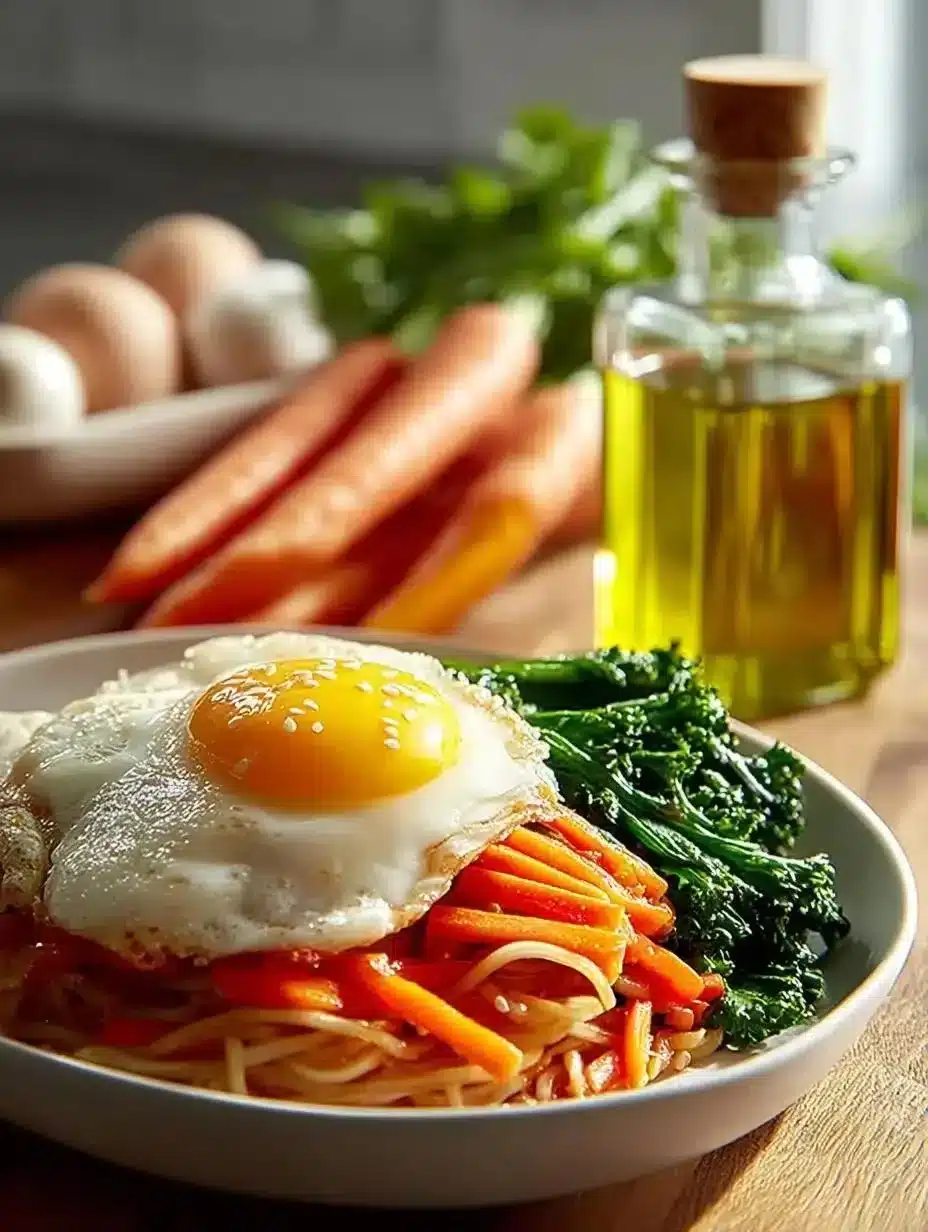
Korean Fried Noodles — Crispy Weeknight Stir-Fry
Hot, crackling noodles that blister at the edges and soak up a savory-sweet sauce — that’s the moment you know this Korean fried noodles recipe works. I developed this version over countless weeknight runs through a tiny restaurant kitchen and tested it 8 times at home to lock the crisp texture and balanced sauce. The method is simple: parboil or use fresh noodles, dry them well, then press and sear in a hot skillet until golden. This creates crunchy-edged strands with tender centers and vivid Korean flavors. If you want a quick reference for more variations, see our related Korean fried noodles guide. Read on for a clear ingredient list, precise timings, and tricks to get the crisp every time.
Why This Recipe Works
- Crisp-first technique: pressing and searing the noodles gives a contrast of crunchy edges and soft centers. That texture makes the dish satisfying.
- Sauce reduction: a short simmer concentrates soy and gochujang notes so the noodles glaze, not sog. This prevents a soggy final dish.
- Salt control: salting the blanch water seasons the noodles from the inside, reducing the need for extra sauce salt later.
- Layered aromatics: searing garlic and scallions in oil first perfumes the pan and builds depth without long cook times.
- Tested for consistency: after testing variations, this ratio of 60 ml (4 tbsp) soy to 1 tbsp gochujang gave the most balanced flavor across protein swaps; see a spicy beef example at spicy Korean beef noodles for contrast.
Ingredients Breakdown
- Noodles — 340 g (12 oz) dried wheat noodles or 400 g (14 oz) fresh chow mein/yakisoba-style noodles. Role: the main body; fresh noodles crisp faster, dried need brief boiling. Substitution: rice noodles change texture and crisp less.
- Neutral oil — 60 ml (4 tbsp) vegetable or grapeseed oil. Role: hot-searing medium. Warning: using sesame oil alone will burn; use for finishing only.
- Garlic & ginger — 3 cloves garlic (9 g), 1 tsp (5 g) grated ginger. Role: aromatic base. Do not brown too dark or they taste bitter.
- Vegetables — 200 g (2 cups) shredded green cabbage, 1 medium carrot (75 g) julienned, 3 scallions (30 g) sliced. Role: texture, sweetness, and freshness. Use napa cabbage for milder flavor.
- Soy sauce — 60 ml (1/4 cup) soy sauce. Use reduced-sodium if watching salt; if using Morton kosher salt adjustment note: use less soy if also salting.
- Gochujang — 15 g (1 tbsp) Korean chili paste. Role: umami and mild heat. Omit or halve for no-heat version.
- Mirin or dry sherry — 30 ml (2 tbsp). Role: brightens sauce and helps glaze.
- Sugar or honey — 10 g (2 tsp). Role: balances soy and chili.
- Sesame oil — 5 ml (1 tsp) toasted sesame oil for finishing. Role: aroma; add at end only.
- Optional protein — 300 g (10 oz) firm tofu (pressed) or thin-sliced beef. Role: makes it a heartier main. See a vegetarian protein swap at black-eyed peas for ideas.
- Garnish — toasted sesame seeds, extra scallions, and a squeeze of lime (optional).
Essential Equipment
- Large pot for boiling (big enough to hold 3–4 liters / quarts of water).
- 12-inch (30 cm) heavy skillet or cast-iron pan — not a nonstick if you want maximum blistering; use nonstick only for easy cleanup.
- Spatula with a flat edge or a bench scraper to press noodles.
- Fine-mesh colander and a clean kitchen towel to dry noodles.
- If you don’t have a cast-iron, a heavy stainless-steel skillet works — preheat longer to reach the same sear. For deep crisping, a second pan can act as a weight when pressing.
Step-by-Step Instructions
Prep time: 15 minutes. Cook time: 15 minutes. Inactive time: None. Total time: 30 minutes. Servings: 4.
Step 1: Prep the noodles and veg
Bring 3 liters (12 cups) water to a rolling boil and salt it lightly (10 g / 1 tsp). For dried noodles, cook 5–6 minutes until just tender; for fresh, blanch 30–60 seconds. Drain and spread on a clean towel to dry and cool for 3–5 minutes.
Step 2: Make the sauce
Whisk together 60 ml (1/4 cup) soy sauce, 30 ml (2 tbsp) mirin, 15 g (1 tbsp) gochujang, and 10 g (2 tsp) sugar in a small bowl. Taste and adjust: if too salty, add 5–10 ml (1–2 tsp) water. Set aside.
Step 3: Heat the pan and aromatics
Heat the skillet over high until a drop of water sizzles away, about 2 minutes; add 45 ml (3 tbsp) oil and swirl to coat. Add garlic and ginger; sauté until fragrant, about 20–30 seconds, do not brown.
Step 4: Add noodles and press to crisp
Add the noodles in an even layer and push down with a spatula or weighted pan for 2 minutes, then let fry undisturbed until the bottom is golden, about 3–4 minutes total. Flip sections with the spatula and press again to crisp the other side, another 2–3 minutes. Critical: the pan must be hot so the noodles blister quickly without steaming.
Step 5: Stir-fry vegetables and protein
Move crispy noodles to one side, add remaining 15 ml (1 tbsp) oil and toss in cabbage and carrot; cook 2–3 minutes until just tender and glossy. If using tofu or beef, push veg aside and sear protein 2–4 minutes until browned; then fold everything together.
Step 6: Add sauce and finish
Pour the sauce over the noodles and vegetables and toss for 1–2 minutes until the sauce reduces slightly and coats the strands. Remove from heat, drizzle 5 ml (1 tsp) sesame oil, and garnish with toasted sesame seeds and scallions. Serve immediately.
Expert Tips & Pro Techniques
- Common mistake: overcrowding the pan steams the noodles. Avoid this by working in one large skillet and keeping the heat high.
- Dry the noodles well on a towel; excess water prevents crisping and makes oil splatter.
- Make-ahead: parboil and chill the noodles up to 24 hours in the fridge on a tray, uncovered; bring to room temp and pat dry before crisping.
- For restaurant-style edges: press the noodles firmly with a spatula for the first 90–120 seconds to form a crust, then reduce pressing frequency.
- Protein tip: if using thin-sliced beef, marinate in 15 ml (1 tbsp) soy and 5 g (1 tsp) sugar for 10 minutes to tenderize and caramelize quickly.
- Home pro trick: finish under a hot broiler for 30–45 seconds to accentuate char when pan space is tight — watch closely to avoid burning.
Storage & Reheating
- Refrigerator: Store cooled noodles in an airtight container for up to 3 days. Keep garnishes separate to preserve texture.
- Freezer: Not recommended — crisped texture degrades. If needed, freeze cooked noodles flat in a freezer bag for up to 1 month; thaw overnight in the fridge.
- Reheating: Re-crisp in a hot skillet over medium-high for 3–5 minutes, tossing occasionally, or reheat in a 190°C (375°F) oven for 8–10 minutes. Avoid microwaving — it makes the noodles soggy.
Variations & Substitutions
- Gluten-free version: Use rice noodles (400 g / 14 oz) and tamari instead of soy. Note: rice noodles won’t blister as much; increase searing time slightly and press gently.
- Vegetarian protein swap: Replace tofu with 240 g (1 cup) cooked black-eyed peas — toss in at the same time as vegetables and reduce searing. See a legume idea at black-eyed peas for.
- Spicy version: Double gochujang to 30 g (2 tbsp) and add 5 g (1 tsp) gochugaru (Korean chili flakes). Keep sugar the same to balance heat.
- Egg-topped: After crisping, push noodles to one side, crack 2 eggs into the pan, scramble until just set, then fold through for a silkier texture.
- Oven-baked crisp: For a lower-oil method, spread noodles in a thin layer on a lined baking sheet and roast at 230°C (450°F) for 6–8 minutes until edges brown; toss with sauce after roasting.
Serving Suggestions & Pairings
- Side: Crisp cucumber salad tossed with rice vinegar and sesame seeds brightens the plate.
- Protein pairing: Serve alongside Korean-style fried chicken for a contrast of textures; see tips in our crispy oven-fried chicken guide.
- Beverage: A cold lager or a citrusy soju highball cuts through the richness.
- Garnish idea: Pickled radish or kimchi adds acid; pair with a bright green herb garnish. For a playful brunch contrast, this also pairs surprisingly well with savory baked goods like breakfast bombs served on the side.
Nutrition Information
Per serving (Serving size: about 1 plate; Recipe yields 4 servings)
- Calories: 560 kcal
- Total Fat: 22 g
- Saturated Fat: 3.5 g
- Cholesterol: 0 mg (without egg or beef)
- Sodium: 980 mg
- Total Carbohydrates: 74 g
- Dietary Fiber: 5 g
- Sugars: 8 g
- Protein: 16 g
Nutrition values are estimates. Actual values may vary based on specific ingredients and preparation methods.
Frequently Asked Questions
Q: Why did my noodles turn out soggy instead of crispy?
A: Sogginess usually comes from excess moisture or overcrowding. Dry the noodles well, make sure the pan is hot, and fry in a single layer. Work in two batches if needed.
Q: Can I make this without eggs or meat?
A: Yes. The recipe works well vegetarian with tofu or extra vegetables. Pressed and pan-seared tofu delivers the best texture as a substitute for meat.
Q: Can I double this recipe for a crowd?
A: You can, but do not double in a single pan. Use two skillets or work in batches to preserve high heat and crisping. Scaling ingredients linearly is fine otherwise.
Q: Can I prepare this the night before?
A: You can parboil and chill the noodles up to 24 hours ahead on a tray, uncovered. Pat dry before cooking and crisp in a hot pan just before serving.
Q: How long does this keep in the fridge?
A: Stored airtight, cooked noodles stay good for up to 3 days. Re-crisp in a skillet for best texture.
Q: Is gochujang necessary?
A: No, but it adds characteristic depth and mild heat. You can swap with 5 ml (1 tsp) miso plus a pinch of chili flakes for a different umami profile.
Q: What oil is best for high-heat searing?
A: Use neutral oils with high smoke points, like grapeseed or sunflower. Save toasted sesame oil for finishing to avoid burning.
Conclusion
If you want more quick, weeknight-friendly stir-fries with tofu and crisp textures, try this Easy Tofu Stir Fry for a 25-minute vegetarian option that uses similar searing principles. For a chef-tested, flavor-forward take on tofu and scallion noodles, read Dave Chang’s fridge cleanout tofu noodle stir-fry to compare techniques and sauce ratios.
Print
Korean Fried Noodles
- Total Time: 30 minutes
- Yield: 4 servings 1x
- Diet: Vegetarian
Description
Hot, crackling noodles with crispy edges soaked in a savory-sweet sauce, offering a delightful Korean flavor experience.
Ingredients
- 340 g (12 oz) dried wheat noodles or 400 g (14 oz) fresh chow mein/yakisoba-style noodles
- 60 ml (4 tbsp) neutral oil (vegetable or grapeseed)
- 3 cloves garlic, minced
- 1 tsp (5 g) grated ginger
- 200 g (2 cups) shredded green cabbage
- 1 medium carrot, julienned (75 g)
- 3 scallions, sliced (30 g)
- 60 ml (1/4 cup) soy sauce
- 15 g (1 tbsp) gochujang
- 30 ml (2 tbsp) mirin or dry sherry
- 10 g (2 tsp) sugar or honey
- 5 ml (1 tsp) toasted sesame oil (for finishing)
- Optional: 300 g (10 oz) firm tofu (pressed) or thin-sliced beef
- Optional garnishes: toasted sesame seeds, extra scallions, squeeze of lime
Instructions
- Prep the noodles and veg: Bring 3 liters of water to a boil and lightly salt it. Cook dried noodles for 5–6 minutes or blanch fresh noodles for 30–60 seconds. Drain, spread on a towel, and let dry for 3–5 minutes.
- Make the sauce: Whisk together soy sauce, mirin, gochujang, and sugar in a bowl. Adjust with water if too salty.
- Heat the pan and aromatics: Preheat the skillet over high heat. Add oil and swirl, then add garlic and ginger. Sauté for 20–30 seconds until fragrant.
- Add noodles and press to crisp: Place noodles in an even layer, pressing down for 2 minutes. Let fry undisturbed for 3–4 minutes until golden. Flip sections and press the other side for another 2–3 minutes.
- Stir-fry vegetables and protein: Move noodles aside, add more oil, and cook cabbage and carrot for 2–3 minutes. If using protein, sear it now, then mix together.
- Add sauce and finish: Pour sauce over noodles and veggies, tossing for 1–2 minutes until slightly reduced. Remove from heat, drizzle with sesame oil, and garnish. Serve immediately.
Notes
For best results, make sure to dry the noodles well to avoid sogginess. You can substitute proteins and adjust spiciness according to taste.
- Prep Time: 15 minutes
- Cook Time: 15 minutes
- Category: Main Course
- Method: Stir-Frying
- Cuisine: Korean
Nutrition
- Serving Size: 1 serving
- Calories: 560
- Sugar: 8g
- Sodium: 980mg
- Fat: 22g
- Saturated Fat: 3.5g
- Unsaturated Fat: 18.5g
- Trans Fat: 0g
- Carbohydrates: 74g
- Fiber: 5g
- Protein: 16g
- Cholesterol: 0mg